How often should I take a Retention Aid?
As a supplier of Retention Aids, I often receive inquiries from customers about the optimal frequency of using these products. The answer to this question is not one - size - fits - all, as it depends on several factors that vary from one application to another. In this blog, I'll delve into the key considerations and provide guidance on determining how often you should use a Retention Aid.
Understanding Retention Aids
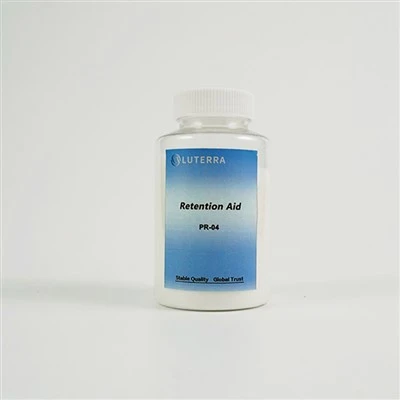
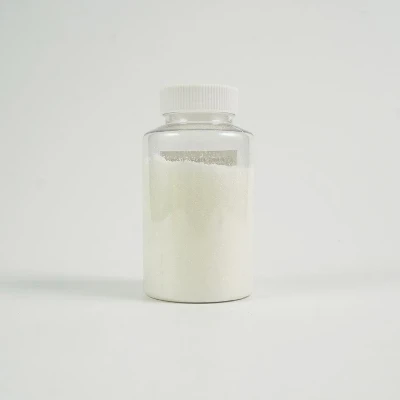
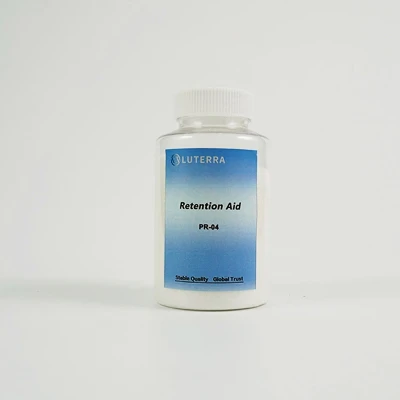
Before discussing the frequency of use, it's important to understand what Retention Aids are and how they work. A Retention Aid is a chemical additive used in various industries, particularly in papermaking and wastewater treatment. In the papermaking process, it helps to retain fine particles, fillers, and fibers in the paper web, improving paper quality and reducing the loss of valuable materials. In wastewater treatment, it aids in the flocculation and sedimentation of suspended solids, enhancing the efficiency of the treatment process. You can learn more about Retention Aids here.
Factors Affecting the Frequency of Use
- Process Conditions
- Flow Rate: In continuous processes, such as papermaking or large - scale wastewater treatment, the flow rate of the system plays a crucial role. Higher flow rates may require more frequent addition of Retention Aids to maintain the desired level of retention. For example, in a high - speed papermaking machine, where the pulp is flowing rapidly through the system, the Retention Aid may need to be added more frequently to ensure that the fine particles and fibers are effectively retained.
- Concentration of Solids: The concentration of solids in the process stream also affects the frequency of Retention Aid use. If the solids concentration is high, more Retention Aid may be needed to achieve the desired retention efficiency. In some cases, a higher dosage may be required initially, followed by more frequent but smaller additions to maintain the effectiveness of the aid.
- Quality Requirements
- Product Quality: In industries like papermaking, the quality requirements of the final product can determine the frequency of Retention Aid use. If a high - quality paper with a smooth surface and high strength is desired, more frequent and precise dosing of the Retention Aid may be necessary. This is because the aid helps to evenly distribute the fibers and fillers, resulting in a more uniform and better - quality paper.
- Environmental Standards: In wastewater treatment, meeting environmental standards is of utmost importance. If the treated water needs to meet strict regulations regarding the level of suspended solids, the Retention Aid may need to be added more frequently to ensure that the treatment process is effective.
- Type of Retention Aid
- Chemical Composition: Different types of Retention Aids have different chemical compositions and modes of action. Some Retention Aids are more effective at lower dosages and may require less frequent addition, while others may need to be added more often to achieve the same level of performance. For example, synthetic polymer - based Retention Aids may have a longer - lasting effect compared to some natural - based aids, which may require more frequent dosing.
- Stability: The stability of the Retention Aid in the process environment also affects the frequency of use. If the aid is prone to degradation or inactivation under certain conditions, such as high temperature or extreme pH, it may need to be added more frequently to maintain its effectiveness.
Determining the Optimal Frequency
To determine the optimal frequency of using a Retention Aid, it is recommended to conduct a series of tests and trials. Here are the steps you can follow:
- Initial Assessment
- Analyze the Process: Understand the specific characteristics of your process, including flow rate, solids concentration, and quality requirements. This will help you to identify the potential challenges and determine the appropriate starting point for using the Retention Aid.
- Select the Right Retention Aid: Based on your process analysis, choose a Retention Aid that is suitable for your application. Consider factors such as chemical composition, effectiveness, and cost.
- Pilot Testing
- Set up a Pilot System: If possible, set up a small - scale pilot system that mimics your actual process. This will allow you to test different dosages and frequencies of the Retention Aid without affecting the main production process.
- Monitor the Results: During the pilot testing, closely monitor the performance of the Retention Aid, including the level of retention, product quality, and any changes in the process parameters. Keep a detailed record of the results to analyze and compare different dosing scenarios.
- Full - Scale Implementation
- Adjust the Frequency: Based on the results of the pilot testing, adjust the frequency of Retention Aid addition in your full - scale process. Start with the recommended frequency and make small adjustments as needed to optimize the performance.
- Continuous Monitoring: Continuously monitor the process to ensure that the Retention Aid is being used effectively. If any issues arise, such as a decrease in retention efficiency or a change in product quality, re - evaluate the dosing frequency and make necessary adjustments.
Other Related Products
In addition to Retention Aids, our company also offers a range of other process chemicals that can complement the use of Retention Aids. For example, the Stickies Control Agent can help to prevent the build - up of sticky substances in the papermaking process, while the Biocide Deodorant can be used to control odors and microbial growth in wastewater treatment. The Circulating Water Scale Inhibiting Agent is also a useful product for preventing scale formation in circulating water systems.
Conclusion
Determining how often you should take a Retention Aid is a complex process that depends on multiple factors. By understanding the process conditions, quality requirements, and the type of Retention Aid, and by conducting proper testing and monitoring, you can find the optimal frequency for your application. As a supplier, we are committed to providing high - quality Retention Aids and other process chemicals, as well as professional technical support to help you achieve the best results. If you are interested in learning more about our products or need assistance in determining the right dosing frequency, please feel free to contact us for a procurement discussion.
References
- "Handbook of Paper and Board Testing"
- "Wastewater Treatment: Principles and Design"
- Technical literature provided by chemical manufacturers